Brand Beef: Is Ghana's Rap Rivalry Trend Smart Marketing or Just Noise?
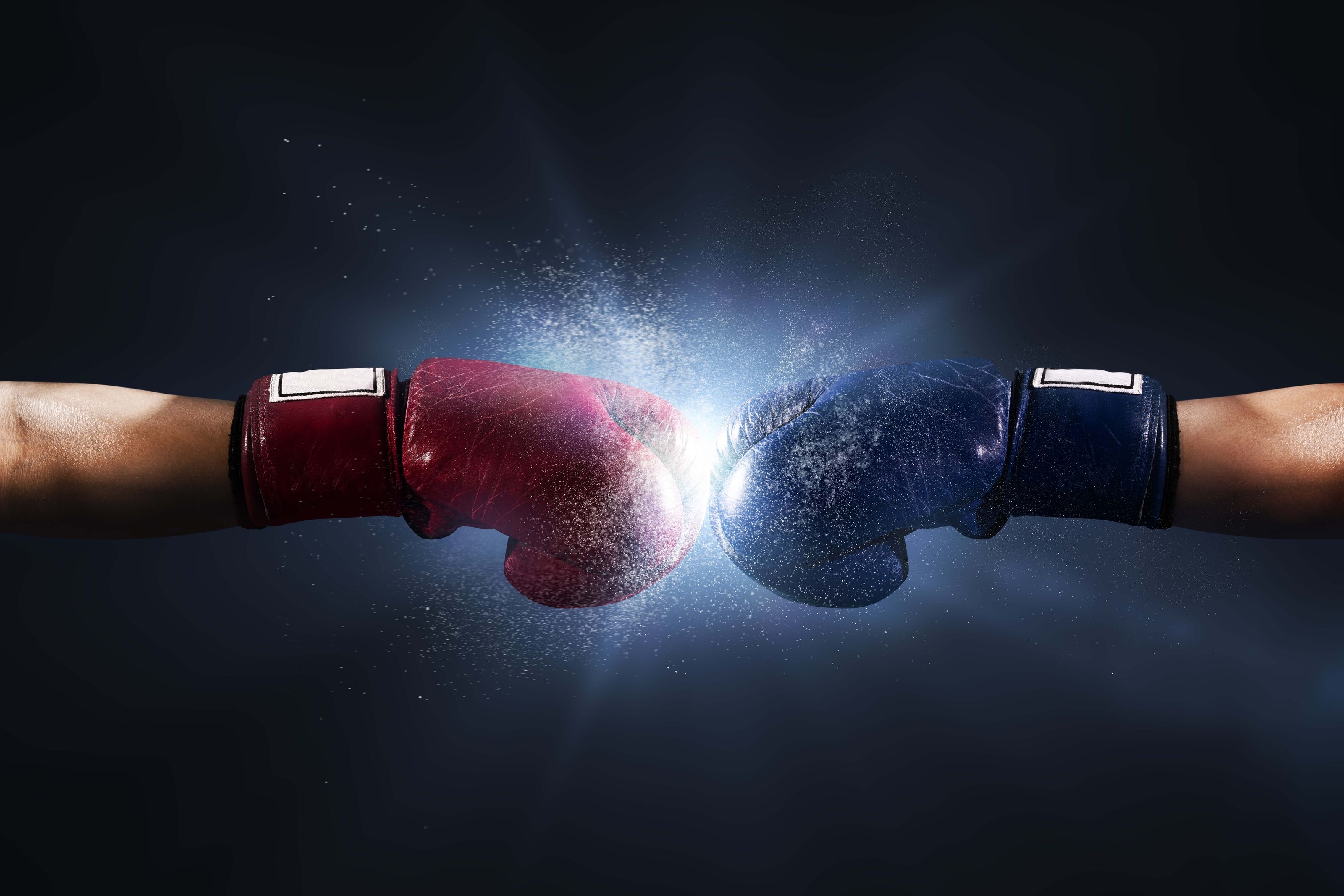
If you use Ghanaian social media, you have probably seen this: companies are arguing with each other online. It starts in the comments. Then it turns into full rap videos where one brand disses another. The newest example is between Zonda Tech and Cowbell. Their marketing teams are going back and forth, and TikTok users are watching, laughing, and picking sides.
This raises a particularly compelling question: Is "brand beef" a smart plan?
Is it just PR? Or are companies just doing it because it's trendy? And is there any legal risk lurking beneath all this fun?
Where Did This Trend Come From?
Ghana's music industry already has a history of "beef." Artists often argue with each other, sometimes for real reasons, sometimes just for show. Researchers who talked to musicians and bloggers found that many of these fights are planned on purpose. The people involved know it brings real benefits: more attention, more fame, more talk online, and more money.
So when brands do the same thing, they are copying a trick that already works in music. Instead of two rappers beefing for streams, it's two brand accounts beefing for likes, views, and attention, using the same tools like diss songs and comment-section clapbacks.
Is It Strategy, PR, or Just Hype?
Honestly, it can be all three at once.
As a strategy: Brand beef is a cheap way to get noticed. One smart comment or verse can get more attention in a day than a paid ad gets in a month. People love drama, and they love picking sides.
As PR: It's a risk that companies choose to take. If they do it well, the brand looks fun, confident, and modern. If brands do it badly, they can look mean or unprofessional, especially if they seem to attack the other brand's customers too.
As hype: Sometimes brands just join in because they see other brands getting attention, without any real plan. This is the riskiest kind, because there's no message and no clear goal, just noise.
How can you tell which one you're watching? Look at the ending. Real strategy usually leads back to a product, a new item, or a call to action. Pure hype beef usually goes nowhere; it's just fighting for the sake of fighting.
What the Comments Are Really Telling Us
Let's look closely at the Zonda Tech vs. Cowbell fight, because the comments teach us a lot.
Most people reacted in a positive way. Here's what stood out:
What people said What it meansMany people said Cowbell "won" or had the best lines.Even in "friendly" beef, people still pick a winner.People called the content "sweet," "hard," and "fun."People mostly enjoyed the entertainment, not the product facts.Cowbell mentioned its product inside the rapGood beef still talks about the product; that's what makes it marketing, not just noise.People noticed local jokes and trends in the lyrics.Knowing local culture well makes a brand stand out.Many people asked how a breakfast brand and a car company started beefing.The strange mix made people curious and want to talk about it.Some people called it a "marketing strategy."People are smart; they know it's a tactic, but they still enjoy it.Some people still liked Zonda's rap style better.Not everyone agreed, and that disagreement keeps people talking.Many people wrote "Team Cowbell" or "Team Zonda."People felt part of the story, not just watching from outside.
The biggest lesson: the real winner might be the whole campaign, not one single brand. At first, people were confused; "How can a car brand fight with a breakfast brand?" But soon people were debating who did the better marketing. That's the real goal. Two brands from totally different industries got people to treat them like characters in a story, picking sides, repeating lines, and judging performances like a real rap battle. A normal ad could never get people that involved for free.
What Brand Managers Should Think About
If a company is considering joining this trend, here are the most important things to consider:
Decide if it's real or planned. A real, unplanned fight looks more honest, but it's harder to control and can go too far. A planned "friendly rivalry" is safer but only works if people don't feel tricked once they realize it was planned.
Keep it about the product, not the people. Beef that stays focused on things like price, service, or product quality feels like marketing. Beef that attacks a person feels like bullying, and people will turn against it.
Have an ending planned before you start. The smartest brands know how the story will end, maybe with a joint promotion or a "we're both winners" moment. Don't let it go on forever or turn into real anger.
Watch how people react, in real time. Comments can change quickly from "this is funny" to "this is disrespectful." Someone needs to watch the situation closely, not just count likes.
Talk to your legal team early, before there's a problem, not after. This phase is where many brands make mistakes. They treat beef like it's only a social media decision, but it can actually create legal trouble.
The Legal Risks People Forget About
This part is often ignored, but it's important:
- False claims: If a rap or comment says something false about a competitor's product or service, that can count as defamation even if it was meant as a joke.
- Advertising rules: In many places, including Ghana, there are rules about how a company can talk about a competitor by name in an ad. Making fun of a rival brand by name can lead to complaints.
- Trademark issues: A mocking video that uses a competitor's logo, name, or jingle can cause legal trouble, depending on how it uses them.
- Employee risk: If the beef comes from a real employee — for example, someone rapping and showing their face — the company might be responsible for what that person says, even if it seems personal or joking.
- Misleading customers: If the beef makes unclear or false claims about pricing, coverage, or quality, that could confuse or mislead customers. This is a serious legal issue, not just a rivalry problem.
None of this means brands can never do beef content. It just means this kind of content should be checked carefully the same way a normal ad would be, even though it feels casual and spontaneous.
Does Brand Beef Actually Work?
It depends on the goal.
What it's good for:
- Getting attention: Beef content almost always gets more views and comments than normal posts.
- Making a brand feel modern and connected to culture, especially for younger audiences.
- Creating quick buzz around a new product or promotion.
What it's not good for:
- Turning attention into real trust or sales. Just because people enjoy the drama doesn't mean they will buy the product. Entertainment and buying are two different things.
- Long-term brand image can suffer if the beef becomes too aggressive or mean.
- Any goal of looking premium, trustworthy, or serious can be undermined by beef, which makes a brand look "fun" and can work against a more serious image.
The honest truth: brand beef is great for getting attention, but not always great for real business results, unless the brand plans it carefully, like adding a promo code or comparing products in a way that helps them.
The Cowbell vs. Zonda case is actually a particularly effective example of doing it right. Cowbell put its product directly into the rap lyrics instead of just relying on jokes. So people who came for the entertainment also saw the product message. That's the real difference: beef that just happens near a brand versus beef that actually promotes the brand at the same time. This is the part that other marketing teams should study most if they want to try this themselves.
Why Brands Keep Doing It
Even with the risks, it's easy to see why brands like this trend:
- It's cheap. A rap video and some funny comments cost much less than a full ad campaign but can get even more attention.
- It makes the brand feel human. A company that can joke around feels more relatable, especially to younger audiences.
- It borrows from the culture that people already love. Ghana already loves rap beef, so brands are using a format people already understand and enjoy.
- It stands out. In industries like telecom or media, where products are often similar, being the funniest or loudest brand can matter more than being the most "correct" one.
The Bottom Line
Brand beef is a mix of hype and strategy. It works best when a brand treats it like a skilled comedian treats improv: it looks natural and spontaneous, but there's actually a plan, a limit, and a clear way to end it.
The brands that come out of the Zonda Tech vs. Cowbell moment looking smart are the ones who know exactly why they did it, keep the focus on the product rather than personal attacks, and had the legal conversation before the next diss track came out, not after a complaint arrived.
And for everyone else just scrolling and reading the comments, what about them? It's simply fantastic content. Two brands from entirely different industries, with nothing in common and a whole audience arguing about who won.